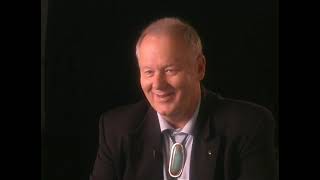
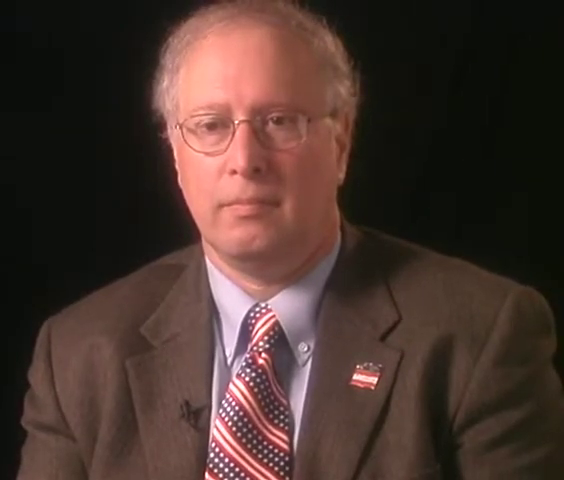
Anne Seymour and Steve Derene discuss the creation of the Oral History Project.
Jeannette Adkins reflects on starting in victims’ services in the early 1980s, building programs amid law enforcement resistance, and the impact of VOCA. She emphasizes credentialing, ongoing advocacy, and strengthening victims’ rights for the future.
Rhonda Barner, Director of the Montgomery County Prosecutor’s Office Victim-Witness Division, reflects on her 26-year career in victim services and the evolution of the field. She shares insights on overcoming resistance in the justice system, building statewide networks and crisis response efforts, addressing ongoing challenges of recognition and resources, and mentoring the next generation of advocates.
David Beatty, former Executive Director of Justice Solutions, stresses that advancing victims’ rights requires education, clear ideas, and a unified policy agenda. He highlights the need for coordinated national advocacy and shares his perspective on the field’s growth and future.
Marcia Blackstock shares her experience with Bay Area Women Against Rape (BAWAR), founded in 1971 to address gaps in sexual assault response. She reflects on building a grassroots movement, developing survivor-focused protocols, and the evolution of advocacy, emphasizing self-care, mentoring, and preserving the movement’s vision.
Harold Boscovich reflects on the origins of U.S. victim witness programs in the 1970s, noting early challenges like competition between agencies. He emphasizes the need for funding, leadership, professional guidance, and empathy to strengthen victim services.
Kelly Brodie discusses advancing victim-centered compensation and services, shaping VOCA programs, and building statewide and national networks. She reflects on responding to post-9/11 needs and ongoing challenges in funding, advocacy, and ensuring victims’ rights nationwide.
Collene Campbell shares her journey into the victims’ rights movement after losing loved ones to violence. She discusses challenges in California’s justice system, advocacy for stronger protections, and the ongoing push for federal recognition of victims’ rights.
Collene and Gary Campbell reflect on the devastating loss of their son and Collene’s brother and sister-in-law, sharing how these tragedies shaped their lives and their long journey through the justice system. They highlight the strength, integrity, and resilience instilled by their family, and how those values have guided their ongoing advocacy for justice.
Allen Robert Denton reflects on his early work in the victims’ rights movement, pioneering advocacy and crisis intervention in the 1970s. He discusses building programs in Akron, collaborating with police, shaping NOVA, and lessons on sustaining and institutionalizing victim services.
Aileen Adams recalls a time when victim services were scarce, uncoordinated, and lacking legal protections. Over time, listening to survivors’ experiences helped reshape the system to be more supportive and inclusive. These shifts ultimately led to meaningful policy reforms.